

Ever walked into a room and completely forgotten why you went in there? Or found your mind wandering during a crucial meeting? You’re not alone. Our brains, much like our muscles, thrive on activity. When we give them the right kind of workout, we can significantly boost our memory and concentration.
Brain exercises are essentially mental activities designed to challenge and stimulate your cognitive functions, including memory, attention, problem-solving, and processing speed. Engaging in these regularly helps strengthen neural pathways, improve brain plasticity, and even encourage the growth of new brain cells, directly enhancing your ability to remember information and maintain focus. It’s about keeping your gray matter agile and sharp.
I’ve seen firsthand how a consistent routine of mental challenges can make a real difference, not just in recalling facts but in overall mental clarity. This guide dives into 10 effective brain exercises, including the ever-popular Sudoku, that you can incorporate into your daily life to supercharge your cognitive abilities.
Why Your Brain Needs a Workout
Think of your brain as a supercomputer. To keep it running optimally, you need to regularly update its software and occasionally defragment its hard drive. Cognitive science has shown us that our brains are incredibly adaptable, a concept known as neuroplasticity. This means they can change and reorganize themselves throughout our lives.
Engaging in novel and challenging activities helps create new neural connections and strengthen existing ones. This isn’t just about preventing decline; it’s about actively enhancing your brain’s capacity, making it easier to learn new things, retrieve memories, and stay focused amidst distractions. It’s an investment in your mental future, much like choosing brain-healthy activities over the holidays.
10 Effective Brain Exercises to Boost Memory & Concentration
Ready to give your brain the challenge it deserves? Here are my top picks for exercises that genuinely make a difference.
1. Sudoku and Logic Puzzles
This one is a classic for a reason. Sudoku isn’t just a fun pastime; it’s a powerful workout for your prefrontal cortex. It demands intense logical reasoning, pattern recognition, and sustained concentration.
As you fill in the numbers, you’re constantly holding multiple possibilities in your working memory, discarding incorrect ones, and tracking your progress. This process hones your attention to detail and improves your ability to focus for extended periods, directly boosting concentration and logical memory recall. If you’re new to it, our beginner’s guide to Sudoku is a great place to start, and you can explore more about the brain benefits of Sudoku for adults.
Play Free Sudoku — Anytime, Anywhere
Need a quick focus boost? Choose your level, play instantly online, or grab beautifully formatted printable PDFs — all completely free.
Suggestion: Save a few PDFs to your phone or print a bundle now — perfect for travel, screen-free time, or quick focus breaks.
2. Learn a New Language
There are few brain exercises as comprehensive as diving into a new language. It’s not just about memorizing vocabulary and grammar rules; it involves auditory processing, pattern recognition, context switching, and constant retrieval practice.
My own journey learning Spanish really highlighted how much it stretches your brain. Studies consistently show that bilingual individuals often exhibit better problem-solving skills and can delay the onset of cognitive decline. It’s a full-body workout for your brain.
3. Play a Musical Instrument
From the intricate finger movements to reading sheet music and coordinating rhythm, playing an instrument engages multiple brain regions simultaneously. It requires fine motor skills, auditory processing, visual memory, and emotional expression.
Learning to play the piano or guitar, for example, strengthens the corpus callosum, the bridge between your brain hemispheres, leading to improved communication and coordination. This cross-modal stimulation is fantastic for enhancing memory and concentration.
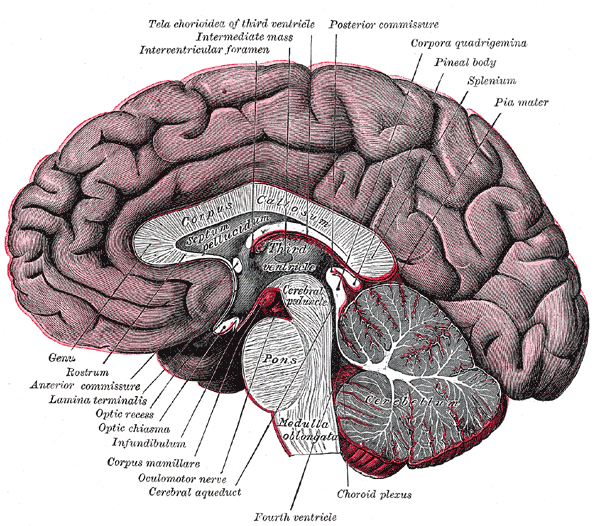
Sagittal section of a brain, front part to the left. The corpus callosum can be seen in the center, in light gray
4. Mindfulness Meditation
In our increasingly distracted world, the ability to focus is a superpower. Mindfulness meditation isn’t about emptying your mind; it’s about training it to stay in the present moment, observing thoughts and feelings without judgment.
Even just 10-15 minutes a day can improve your attention span, reduce mental clutter, and enhance your emotional regulation. I’ve found that a regular meditation practice makes it much easier to concentrate on tasks throughout the day and recall information more clearly. It’s a great counter to the potential cognitive costs of our digital lives, something we’ve explored in discussions about how AI might be rewiring our brains.
5. Reading Actively
Don’t just skim. Engage with what you’re reading. Active reading involves asking questions, summarizing paragraphs in your head, making connections to prior knowledge, and even predicting what comes next.
This deep engagement improves comprehension, critical thinking, and long-term memory. It forces your brain to process information more thoroughly than passive reading, building stronger neural networks related to language and information retention.
6. Crossword Puzzles and Word Games
Similar to Sudoku but with a linguistic twist, crosswords, Strands, Scrabble, or Boggle are excellent for verbal fluency and semantic memory. They challenge your vocabulary, retrieval speed, and ability to connect words and concepts.
My mom swears by her daily crossword to keep her mind sharp, and I can see why. The constant search for the right word or phrase acts as a powerful memory retrieval exercise, strengthening those linguistic pathways. These are among the best brain games to stay sharp.
7. Physical Exercise
It might seem counterintuitive for a “brain exercise” list, but physical activity is paramount for cognitive health. Exercise increases blood flow to the brain, delivering vital oxygen and nutrients. It also stimulates the release of growth factors that promote the health of brain cells and the growth of new ones.
Even a brisk walk can improve memory, attention, and executive function. I always tell people that a healthy body supports a healthy brain; you can’t have one without the other.
8. Jigsaw Puzzles
Beyond being a relaxing hobby, jigsaw puzzles are fantastic for visual-spatial reasoning and problem-solving. You’re constantly analyzing shapes, colors, and patterns, holding pieces in your mind, and strategizing where they might fit.
This process improves your ability to manipulate visual information, enhance your attention to detail, and strengthen your working memory. It’s a gentle yet effective way to engage your brain without the pressure of a timed test.

9. Memory Games
Classic memory games, like “Concentration” (matching pairs of cards), Simon Says, or even digital apps designed for memory training, are direct workouts for your recall abilities. They challenge your short-term memory and pattern recognition.
These games are particularly effective because they provide immediate feedback and often increase in difficulty, pushing your brain to work harder and adapt. I’ve found that even a few minutes of a memory game can wake up my brain when I’m feeling sluggish.
10. Break Your Routine
Our brains love efficiency, which often leads to autopilot. Driving the same route, using the same hand for tasks, or always eating the same breakfast means your brain isn’t being challenged. Breaking these routines forces your brain to pay attention and create new pathways.
Try brushing your teeth with your non-dominant hand, taking a different route to work, or trying a new recipe without looking at it every two seconds. These small shifts demand conscious effort and can significantly boost your attentiveness and cognitive flexibility.
Making Brain Exercises a Habit
The key to seeing real results from these brain exercises is consistency. It’s not about doing them all every day, but finding a few that you enjoy and sticking with them regularly.
- Start Small: Even 15-20 minutes a day can make a difference.
- Mix It Up: Rotate through different types of exercises to challenge various cognitive functions.
- Find Your Fun: If it feels like a chore, you won’t stick with it. Choose activities you genuinely enjoy.
- Stay Hydrated and Sleep Well: These foundational habits are crucial for optimal brain function. Remember that factors like sugar’s effect on the brain and proper rest play a huge role in your cognitive performance.
Your brain is an incredible organ, capable of lifelong learning and adaptation. By intentionally engaging in these brain exercises, you’re not just maintaining; you’re actively enhancing your memory and concentration, paving the way for a sharper, more focused you.
FAQ
What are brain exercises?
Brain exercises are mental activities designed to stimulate and challenge cognitive functions like memory, concentration, problem-solving, and attention. They help strengthen neural connections and improve overall brain health.
How often should I do brain exercises?
Consistency is key. Aim for at least 15-30 minutes a few times a week, or incorporate small brain-challenging activities into your daily routine. The more regularly you engage, the better the results.
Can brain exercises really improve memory and concentration?
Yes, absolutely. Regular engagement with challenging mental tasks can enhance neuroplasticity, create new neural pathways, and improve blood flow to the brain, leading to measurable improvements in memory, focus, and overall cognitive function.
Is Sudoku good for memory?
Sudoku is excellent for memory. It requires intense logical reasoning, pattern recognition, and the ability to hold multiple pieces of information in your working memory simultaneously, all of which directly benefit concentration and memory recall.
Are there specific brain exercises for adults with ADHD?
Many brain exercises, including Sudoku and mindfulness meditation, can be particularly beneficial for adults with ADHD by improving focus and attention span. Activities that provide immediate feedback and structure, like certain brain games, can be very helpful.
What role does physical exercise play in brain health?
Physical exercise significantly boosts brain health by increasing blood flow, delivering essential oxygen and nutrients, and stimulating the release of growth factors that support brain cell health and growth. It directly enhances memory, attention, and executive functions.
How can I make brain exercises a regular habit?
To make it a habit, start small, choose activities you genuinely enjoy, and mix up your routine to keep it fresh. Integrating them into your daily schedule and ensuring you also maintain good foundational habits like hydration and sufficient sleep are crucial.
Do new languages really help the brain?
Yes, learning a new language is a comprehensive brain workout. It engages multiple cognitive functions, including memory, auditory processing, and problem-solving. Research indicates that bilingualism can enhance cognitive skills and may even delay the onset of cognitive decline.